
After running two vintage shops on the Isle of Wight we understood the importance of, and the difficulties involved in the sourcing of new, fresh stock. We would spend our Sundays visiting antique fairs and car boot sales along the South Coast, trying to find new and exciting items for our customers.
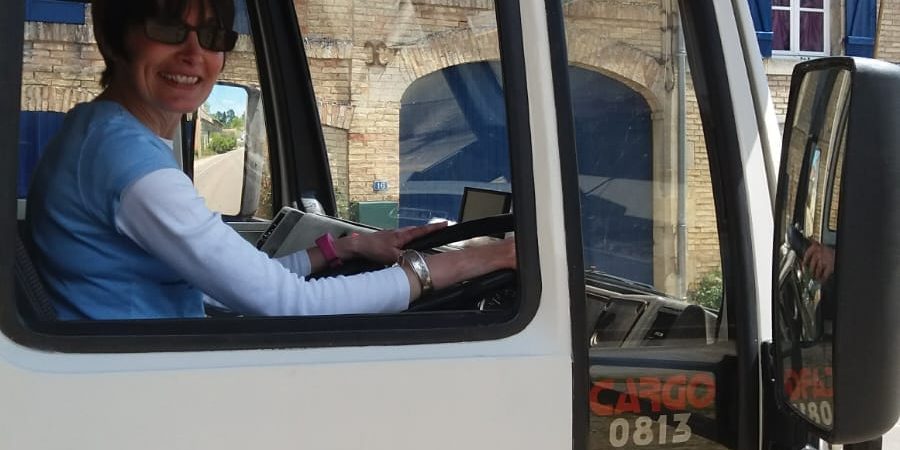
It was during these ‘Pre- Brexit’ times that anything sourced from Europe was particularly sought after; French ‘shabby chic’ pieces, German ceramics etc. And gradually a new plan was formed… we closed the shops ( a difficult decision; I had really enjoyed the experience) and bought an old, 7.5 tonne horsebox. We took out the horse stalls in the back part of the vehicle, filling the space with racking and as many plastic storage boxes as we could find, put a shower, toilet and wash basin in the middle section and made the front space a living area with a bed above the driving cab, a small kitchen counter with storage, oven and fridge, bench seats around the sides and a fold down table. It was basic, but we loved it and early one morning in………. we left the Isle of Wight and drove down to Dover to catch the ferry to Calais.
We had researched where we could find the smaller, local Brocantes and village fairs in France and planned a route to take in as many of these as possible; sometimes we were disappointed with the array of goods on sale, sometimes we just couldn’t believe how much amazing vintage treasure we were able to buy.
Learning to live in the back of a horse box was such a different experience and other people were fascinated when we turned up to a camp site or local French aire for the night and parked next to their sleek, modern, gadget rich, camper vans.
When the storage area at the back of the lorry was full we would drive back to the UK to sell our treasures on the Isle of Wight and other locations in the South. One occasion remains very clear in our minds, we pulled into a large antique and vintage fair, parked the horse box and put down the ramp at the back only to find a crowd of people waiting, they had sensed new stock arriving; we didn’t have a chance to get anything out, they just walked up the ramp and began selecting things straight from the shelves inside the van, everything sold within an hour and then we had to wait another five hours for the fair to finish before we could move the lorry, at least we were able to have a cup of tea and a snooze though!
Unfortunately an illness in the family and the looming threat of Brexit made us think carefully about this ‘nomadic’ lifestyle. We had made buying trips into rural France as well as several in the UK, but the time seemed right to stop; we had bought some amazing pieces, met some very interesting characters and had a great time exploring France in our horse box.
This chapter shaped everything that came next.
It taught us what good sourcing looks like, how important trust is and how much people value clarity, care and consistency. It also showed us what happens when you build something steadily, learning as you go and letting experience lead the way.
Those lessons now sit at the heart of My Auction House, shaping the way we think about auctions today. Not just as a way of selling things, but as a way of connecting people with items that carry history, meaning and care.